Uttar Pradesh: 24-Hour Power Control Room Activated As Heavy Rain Triggers 716 Feeder, 173 Substation Faults
· Free Press Journal
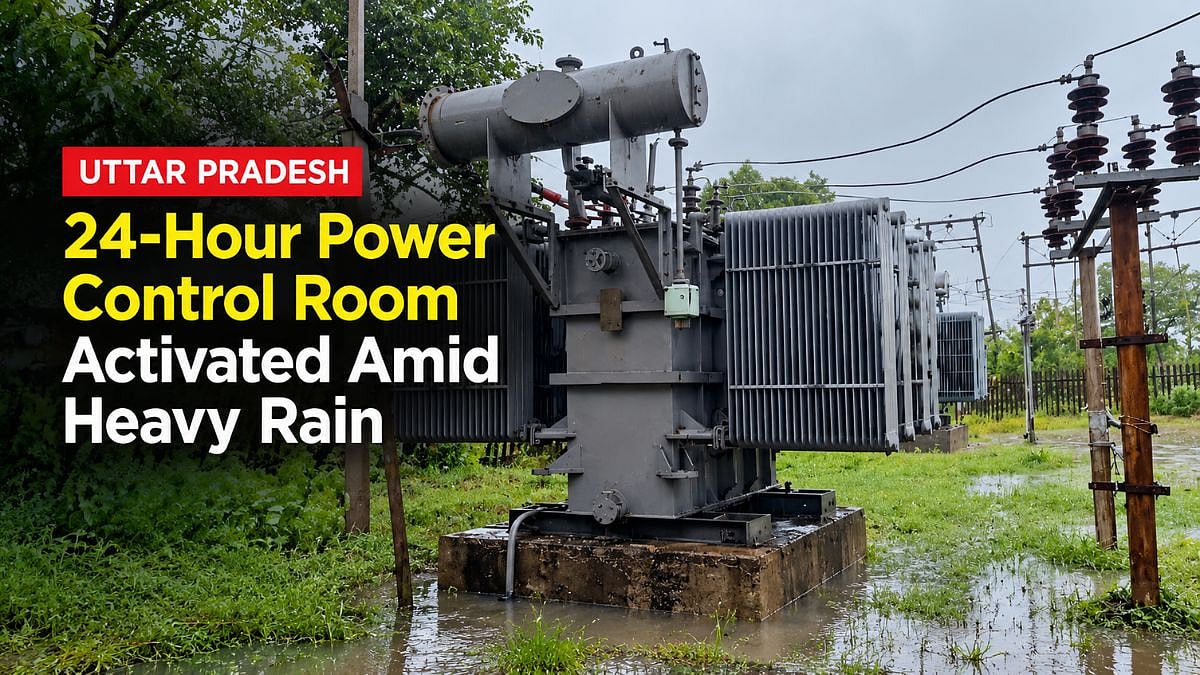
Lucknow, September 26, 2026: Amid continuous heavy rainfall across the state, the Yogi government has intensified special vigilance to ensure uninterrupted power supply. Principal Secretary (Energy) and Chairman of Uttar Pradesh Power Corporation, Ranveer Prasad, has directed officials of all distribution corporations, including LESA, to maintain continuous monitoring of the power system and ensure that local faults are rectified in the shortest possible time.
Visit h-doctor.club for more information.
Field Gangs On Alert
Ranveer Prasad said that if power supply is disrupted anywhere due to rainfall, active field gangs should immediately reach the site and complete repair work. Information regarding local faults should also be communicated to consumers through available communication channels. In view of the possibility of electrical accidents during rainfall, directions have been issued to ensure strict adherence to safety standards and to carry out maintenance work only with the use of appropriate safety equipment.
Unexpected heavy rainfall has led to an increase in breakdown incidents across the state. Most faults have occurred due to the falling of trees or tree branches. According to the Lucknow Control Room, reports have been received regarding the shutdown of 716 feeders of 11 kV and 173 substations of 33 kV, which are being continuously monitored.
24-Hour Control Room Active
A 24-hour Control Room is operational at Shakti Bhawan, where six Superintending Engineers have been deployed. The officers are coordinating with the Control Rooms of the DISCOMs to obtain information regarding local faults, field gangs, availability of materials, and power supply disruptions lasting for more than 12 hours. Directions have also been issued for the prompt resolution of complaints received on the 1912 helpline.
Due to the rainfall, power demand has declined from around 28,000 MW to below 16,000 MW. As a result of the reduced demand, the state has been freed from load shedding, with 24-hour power supply being provided from metropolitan cities to villages. Surplus electricity is being sold on the Power Exchange. The Chairman has appealed to consumers to immediately report any incident or breakdown on 1912.
Impact Of Yogi Govt’s Strict Action: Four Traffickers Arrested With Illegal Heroin And Smack Worth ₹2.30 CroreControl Room Numbers
Shakti Bhawan - 0522-2288737, 2288738
Toll Free - 1912
Madhyanchal - 0522-4950397
KESCO - 8189045757
Purvanchal - 0542-2300137
Dakshinanchal - 9412719627
Paschimanchal - 9412749313