India at UN calls Gulf shipping attacks simply unacceptable
· India Today
· India Today
· Prothom Alo
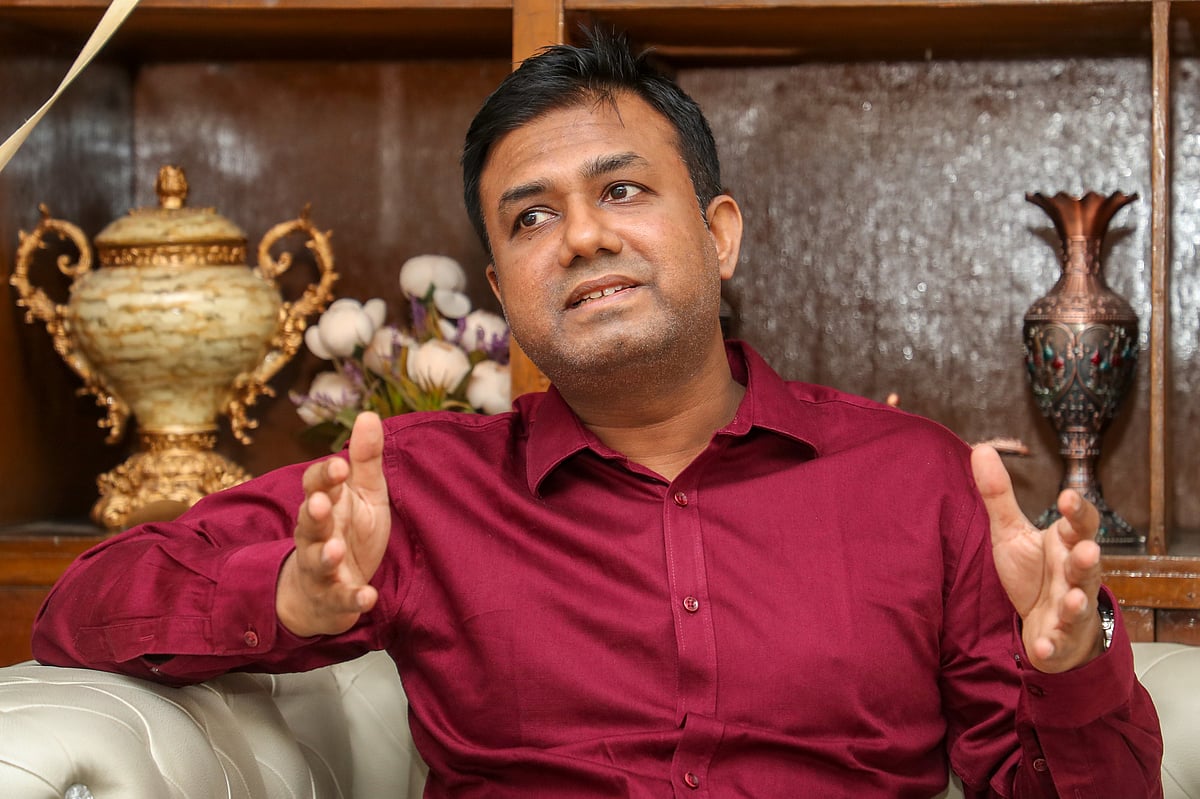
অধ্যাপক মো. হাদিউজ্জামান যোগাযোগবিশেষজ্ঞ এবং বুয়েটের অ্যাকসিডেন্ট রিসার্চ ইনস্টিটিউটের সাবেক পরিচালক। সড়কে নৈরাজ্য ও দুর্ঘটনার কারণ, ঢাকায় স্বয়ংক্রিয় সিগন্যাল ব্যবস্থা, অটোরিকশা সমস্যা, ব্যয়বহুল মেট্রোরেলের ঝুঁকি—এসব বিষয়ে কথা বলেছেন প্রথম আলোর সঙ্গে।
সাক্ষাৎকার নিয়েছেন মনোজ দে
Visit mchezo.life for more information.
বাংলাদেশে গত দেড় যুগে সড়ক অবকাঠামো খাতে বিপুল বিনিয়োগ হয়েছে। এরপরও সড়কে নৈরাজ্য, দুর্ঘটনা ও মৃত্যুর মিছিল কেন বেড়েই চলেছে?
মো. হাদিউজ্জামান: গত দেড় যুগে আমরা বহু সড়ক দুই লেন থেকে চার লেনে উন্নীত করেছি, এক্সপ্রেসওয়ে তৈরি করেছি, অসংখ্য উড়ালসড়ক নির্মাণ করেছি, নদীর তলদেশ দিয়ে টানেলও নির্মিত হয়েছে। কিন্তু দুর্ঘটনা শুধু অবকাঠামোর সঙ্গে সম্পর্কিত কোনো বিষয় নয়; এটি একটি বহুমাত্রিক বিষয়।
আমরা দেখেছি, মূলত অবকাঠামো ও গতি—এই দুটি বিষয়কে সামনে রেখেই অবকাঠামো তৈরি করা হয়েছে। প্রতিটি অবকাঠামো নির্মাণের পেছনে বলা হয়েছে, এতে সময় বাঁচবে, যাতায়াত সহজ হবে। কিন্তু দুর্ঘটনা কমাতে হলে শুধু নিরাপদ সড়ক থাকলেই হবে না; একই সঙ্গে নিরাপদ যানবাহন, দক্ষ ও নিরাপদ চালক এবং সড়কের আশপাশের নিরাপদ ভূমি ব্যবস্থাপনাও নিশ্চিত করতে হবে। শুধু অবকাঠামো তৈরি করে সড়ক দুর্ঘটনা কমানো সম্ভব নয়।
আমরা ভালো ও দক্ষ চালক তৈরি করতে পারিনি। বিজ্ঞানভিত্তিক ও নিরাপদ যানবাহনের কথা আমরা বারবার বলেছি। কিন্তু দুঃখজনক বিষয় হলো, বর্তমানে বিজ্ঞানসম্মত ও নিরাপদ যানবাহনের পরিবর্তে অবৈজ্ঞানিক ও অনিরাপদ যানবাহনের সংখ্যাই বেশি। কোনো দেশে যদি বৈধ যানবাহনের চেয়ে অবৈধ যানবাহন বেশি থাকে এবং দক্ষ চালকের চেয়ে অদক্ষ চালকের সংখ্যা বেশি হয়, তাহলে সড়ক দুর্ঘটনার ঊর্ধ্বমুখী পরিসংখ্যান দেখে অবাক হওয়ার কিছু নেই।
আমরা এক্সপ্রেসওয়ে তৈরি করেছি, কিন্তু সড়কের আশপাশের ভূমি ব্যবস্থাপনা নিয়ন্ত্রণ করতে পারিনি। গত এক দশকে হাটবাজার নিয়ন্ত্রণের কথা বলতে বলতে মহাসড়কের পাশে আরও কয়েক ডজন হাটবাজার যুক্ত হয়েছে। ফলে অবকাঠামো তৈরি করে যে গতি বাড়ানোর চেষ্টা আমরা করেছি, সেই গতিই এখন অনেক ক্ষেত্রে বেগতিতে পরিণত হয়েছে। এক্সপ্রেসওয়েতে ঘন ঘন দুর্ঘটনা ঘটছে।
দক্ষ চালক তৈরি করা, নিরাপদ ও ভালো মানের যানবাহন রাস্তায় নামানো—এগুলো নীতিগত সিদ্ধান্তের বিষয়। অথচ এই জায়গায় আমরা বারবার হোঁচট খেয়েছি। এখানে গুরুত্ব না দিয়ে আমরা মেগা প্রকল্প ও মেগা বিনিয়োগের পেছনে ছুটেছি।
আমাদের সড়কের অসুখটা রাজনৈতিক, টেকনিক্যাল নয়দুই বছর আগে প্রথম আলোকে দেওয়া সাক্ষাৎকারে আপনি বলেছিলেন, আমাদের সড়কের অসুখটা রাজনৈতিক, টেকনিক্যাল নয়। এর মধ্যে দুবার সরকার পরিবর্তন হয়েছে। দুই বছর পর এসে আমাদের সড়কের অসুখটাকে যদি মূল্যায়ন করতে বলি, তাহলে কীভাবে মূল্যায়ন করবেন?
মো. হাদিউজ্জামান: আমি বলব, আমরা এখনো সেই তিমিরেই রয়ে গেছি। সড়কব্যবস্থার যে রোগ, সেটি কমানোর জন্য চিকিৎসা হিসেবে বহু গবেষণা হয়েছে, জনগণের অর্থে বড় বড় টেকনিক্যাল স্টাডি হয়েছে। বিশেষ করে গণপরিবহন ব্যবস্থাপনায় শৃঙ্খলা আনার জন্য ডিটিসির নেতৃত্বে অনেক গবেষণা হয়েছে। কিন্তু পরিবর্তন তো হয়নি।
যদি এটি টেকনিক্যাল সমস্যা হতো, তাহলে এত টেকনিক্যাল স্টাডির পর নিশ্চয়ই পরিবর্তন আসত। যেহেতু পরিবর্তন হয়নি, সেহেতু নিশ্চিতভাবেই বলা যায়, এটি শুধু টেকনিক্যাল সমস্যা নয়। এটি একটি রাজনৈতিক রোগ।
গণপরিবহনের যে আদর্শ মডেল নিয়ে আমরা কথা বলি—বাস রুট ফ্র্যাঞ্চাইজি বা বাস রুট র্যাশনাইলাইজেশন—তা বিশ্বব্যাপী পরীক্ষিত একটি মডেল। বিজ্ঞানভিত্তিক গণপরিবহন ব্যবস্থাপনার কার্যকর প্রেসক্রিপশন এটি। আমাদের প্রতিবেশী দেশ ভারতের কলকাতাতেও এমন ব্যবস্থা সফলভাবে চলছে। আমরা পারিনি, তাতে বোঝা যায় বিষয়টি কতটা রাজনৈতিক।
আসলে সড়ক ও গণপরিবহন ব্যবস্থাকে যতটা বিশৃঙ্খল রাখা যায়, সেটিকে ঘিরে তত বেশি মানুষ লাভবান হন। ব্যবস্থাটি যতক্ষণ বিশৃঙ্খল থাকবে, ততক্ষণ অনেকের জন্য নানা ধরনের পদ-পদবি ও রাজনৈতিক সুযোগ তৈরি হবে। কিন্তু এটি যদি শৃঙ্খলার মধ্যে আসে, বিজ্ঞানভিত্তিক ব্যবস্থাপনায় যায়, বাস রুট ফ্র্যাঞ্চাইজি মডেলে আসে, কোম্পানিভিত্তিক ব্যবস্থাপনা চালু হয়, তাহলে এসব পদ-পদবির অনেকগুলোই আর থাকবে না।
আমাদের গণপরিবহনব্যবস্থা নিয়ে যতগুলো টেকনিক্যাল স্টাডি হয়েছে, সেখানে কী করতে হবে, কীভাবে করতে হবে, কতটা বিনিয়োগ প্রয়োজন—সবকিছুই বিস্তারিতভাবে বলা হয়েছে। প্রয়োজনীয় বিনিয়োগের পরিমাণও খুব বেশি নয়। আমরা মেগা প্রকল্পগুলোতে যে পরিমাণ অর্থ বিনিয়োগ করেছি বা সামনে করব, তার সঙ্গে তুলনা করলে গণপরিবহনব্যবস্থা সংস্কারে প্রয়োজনীয় অর্থ সমুদ্র থেকে এক ফোঁটা পানি নেওয়ার মতো।
সুতরাং, এটি বিনিয়োগের সমস্যাও নয়, টেকনিক্যাল সমস্যাও নয়। ফলে আপনি যদি দুই বছর পরেও একই প্রশ্ন করেন, আমি একই উত্তর দেব।
অন্তর্বর্তী সরকার আমলে ঢাকার সড়ক ও ব্যবস্থাপনা নিয়ে বুয়েটের যে পরামর্শক কমিটি গঠন করা হয়েছিল, আপনি তার সদস্য ছিলেন। আপনাদের সুপারিশের প্রধান দিকগুলো কী ছিল? কতটা বাস্তবায়ন হয়েছে?
মো. হাদিউজ্জামান: সুপারিশগুলোর কিছুটা বাস্তবায়িত হয়েছে। অন্তর্বর্তী সরকারের ম্যান্ডেট ছিল স্বল্প সময়ের জন্য। আমরা এমন কিছু সুপারিশ করেছিলাম, যেগুলো স্বল্প মেয়াদে বাস্তবায়ন করা সম্ভব ছিল। তবে সরকার তো নিজে মাঠে নেমে কাজ করবে না; সরকারের অনেক অঙ্গপ্রত্যঙ্গ ও প্রতিষ্ঠান রয়েছে। তারা কতটা সহযোগিতা করেছে, সেটি একটি বড় প্রশ্ন।
আমরা প্রস্তাব করেছিলাম, ঢাকার মূল সড়কগুলোতে ইজিবাইক ও অটোরিকশার মতো ছোট ছোট যানবাহন নিয়ন্ত্রণ করা, ইন্টারসেকশন ও জংশন পয়েন্টগুলোতে বাস থামিয়ে যাত্রী ওঠানামা বন্ধ করা, ছোট ইন্টারসেকশনে সিগন্যালের সময় সর্বোচ্চ দুই মিনিট ও বড় ইন্টারসেকশনে সর্বোচ্চ তিন মিনিট করা, পুলিশের মনোবল ও কর্মপরিবেশ দ্রুত ফিরিয়ে আনা, ঢাকার আটটি ট্রাফিক ডিভিশনের জন্য আটটি ভিজিল্যান্স টিম গঠন করা, যাতে কোথাও যানজট সৃষ্টি হলে দ্রুত ব্যবস্থা নেওয়া যায়। এর মধ্যে সিগন্যালিং ব্যবস্থায় ভালো অগ্রগতি হয়েছে। ভিজিল্যান্স টিমও গঠন করা হয়েছে।
আমাদের প্রস্তাবের মূল বিষয় ছিল, ঢাকাকে বাঁচাতে হলে গণপরিবহনব্যবস্থায় শৃঙ্খলা আনতে হবে। আমরা মেট্রোরেল করছি। ঢাকায় প্রস্তাবিত ছয়টি মেট্রোরেলের মাধ্যমে মাকড়সার জালের মতো একটি নেটওয়ার্ক তৈরি হবে। এর পেছনে পাঁচ-ছয় লাখ কোটি টাকা বিনিয়োগের পরিকল্পনা রয়েছে। আমরা বলেছিলাম যদি মাত্র পাঁচ হাজার কোটি টাকা গণপরিবহনব্যবস্থা সংস্কারে বিনিয়োগ করা হয়, তাহলে বড় ধরনের পরিবর্তন আনা সম্ভব।
আমরা যদি পাঁচ-ছয় লাখ কোটি টাকা বিনিয়োগ করে শেষ পর্যন্ত মেট্রোর মাধ্যমে ১৫ শতাংশ যাত্রী পরিবহন করি, আর পাঁচ হাজার কোটি টাকা বিনিয়োগ করে বাস ব্যবস্থার সংস্কারের মাধ্যমে ৪০ শতাংশ যাত্রী পরিবহন করতে পারি, তাহলে অর্থনৈতিক ও বাণিজ্যিক রিটার্নের দিক থেকে কোনটি লাভজনক?
আমাদের প্রস্তাবগুলো খুব বড় বিষয় ছিল না। এগুলো ছিল মূলত সদিচ্ছা, উদ্যোগ ও প্রতিষ্ঠানগুলোর সমন্বিতভাবে কাজ করার বিষয়। প্রতিষ্ঠানগুলো যদি অন্তত সরকারকে প্রয়োজনীয় সহযোগিতা করত, তাহলে পরিবর্তনের একটি সুযোগ তৈরি হতো। সুযোগটি আমরা তখন কাজে লাগাতে পারিনি।
মো. হাদিউজ্জামানপ্রথম আলো: ঢাকায় কয়েকটি মোড়ে স্বয়ংক্রিয় ট্রাফিক সিগন্যাল চালু হয়েছে। এসব মোড়ে ট্রাফিক ব্যবস্থাপনায় শৃঙ্খলা অনেকটা ফিরেছে। পুরো ঢাকাকে কি এই ব্যবস্থাপনার মধ্যে আনা সম্ভব?
মো. হাদিউজ্জামান: প্রথমেই আমি অন্তর্বর্তী সরকার এবং একই ধারাবাহিকতায় বর্তমান সরকারকে ধন্যবাদ দিতে চাই। সবচেয়ে গুরুত্বপূর্ণ বিষয় হলো, আমরা দেশীয় প্রযুক্তি বা ‘হোমগ্রোন নলেজ’ ব্যবহার করে কাজটি করতে পেরেছি। এর বহুমাত্রিক সুবিধা আছে। আমরা বারবার ইউরোপ, এশিয়া বা অন্যান্য দেশ থেকে সিগন্যাল সিস্টেমের প্রযুক্তি নিয়ে এসেছি। কিন্তু এসব প্রযুক্তি ব্যবহারের অভিজ্ঞতা আমাদের একেবারেই সুখকর নয়।
মাননীয় প্রধানমন্ত্রী আমাকে পুরো ঢাকা শহরের সিগন্যাল ব্যবস্থার ফোকাল পয়েন্ট হিসেবে দায়িত্ব দিয়েছেন। এই মুহূর্তে আমরা ৬০টি জংশন নিয়ে কাজ করছি। আমার ধারণা, এই ৬০টি জংশনের কাজ শেষ হলে ঢাকা শহরের প্রায় তিন-চতুর্থাংশ বা তারও বেশি গুরুত্বপূর্ণ ইন্টারসেকশন কাভার হয়ে যাবে।
দেশীয় প্রযুক্তি ব্যবহারে আমাদের ব্যয় সাশ্রয়ের বিষয়টি এখানে গুরুত্বপূর্ণ। এমনকি এশীয় প্রযুক্তি ব্যবহার করেও আমাদের যে অভিজ্ঞতা হয়েছে, তাতে দেখা গেছে, একটি জংশনের প্রযুক্তিগত সহায়তা দিতে—আমি শুধু প্রযুক্তির কথা বলছি, ভৌত অবকাঠামো, খুঁটি বা ওয়্যারিংয়ের কথা বাদ দিয়েও—বিদেশি প্রযুক্তি ব্যবহার করলে যে পরিমাণ খরচ হয়, সেই খরচে আমাদের বর্তমান ব্যবস্থায় প্রায় ২০–২৫টি ইন্টারসেকশন করা সম্ভব হচ্ছে। এখানে আমাদের সক্ষমতা যেমন বাড়ছে, একই সঙ্গে ব্যয়ও কমছে। সবচেয়ে গুরুত্বপূর্ণ বিষয় হলো, দেশীয় প্রযুক্তি ব্যবহারের সুযোগ পাওয়ায় আমরা ধীরে ধীরে প্রযুক্তিটিকে আরও উন্নত করতে পারছি।
প্রযুক্তির খরচ কমানোর পাশাপাশি আমরা এখন অবকাঠামোর খরচ কমানোর বিষয়েও গবেষণা করছি। এ ক্ষেত্রে আমাদের একটা ভালো অগ্রগতি হয়েছে। আমরা এমন একটি দেশীয় প্রযুক্তি তৈরি করেছি, যার মাধ্যমে প্রযুক্তির পাশাপাশি অবকাঠামো নির্মাণের খরচও কমিয়ে আনা সম্ভব হবে। আমরা আশা করি, ভবিষ্যতে আমরা চট্টগ্রাম, কুমিল্লা, ময়মনসিংহেও এই স্বয়ংক্রিয় সিগন্যাল ব্যবস্থা চালু করতে পারব।
তবে এখানে একটি বিষয় পরিষ্কার করা দরকার যে সিগন্যাল ব্যবস্থা কোনো ‘প্যানাসিয়া’ বা সব সমস্যার সমাধান নয়। শুধু সিগন্যালের মাধ্যমে যানজট পুরোপুরি দূর করা সম্ভব হবে না। যানজট কমাতে হলে সিগন্যাল ব্যবস্থার পাশাপাশি আরও অনেক নীতিগত পদক্ষেপ নিতে হবে। মূল সড়ক থেকে ছোট ছোট খুচরা যানবাহনের সংখ্যা কমানো, গণপরিবহন বাড়ানো এবং ট্রাফিক আইন মানার প্রবণতা বা কমপ্লায়েন্স বাড়াতে হবে।
কমপ্লায়েন্স বাড়ানোর জন্য সিগন্যাল ব্যবস্থায় এআই ক্যামেরাও যুক্ত করা হয়েছে। আমরা দেখছি, নগরবাসীর মধ্যে একটি ব্যাপক সাংস্কৃতিক পরিবর্তন আসছে। সিগন্যাল ব্যবস্থার কার্যকারিতা নিয়ে গবেষণা করছেন, তাঁদের শুধু যানজট কমল কি না, সেটি দিয়ে এই পরিবর্তনকে মূল্যায়ন করলে হবে না। কারণ, এই সাংস্কৃতিক পরিবর্তনেরও একটি বড় মূল্য আছে।
আমি মনে করি, নগরবাসী, দুই সিটি করপোরেশন, বুয়েট ও ট্রাফিক পুলিশ সবাই মিলে একটি টিম হিসেবে কাজ করায় সিগন্যাল ব্যবস্থাটি কার্যকরভাবে চালানো সম্ভব হচ্ছে।
ঢাকা বিশ্বের ধীরগতির শহরগুলোর একটি। ব্যাটারিচালিত অটোরিকশা ঢাকার বিশৃঙ্খলার বড় কারণ হয়ে উঠেছে। ব্যাটারিচালিত অটোরিকশা শৃঙ্খলার মধ্যে আনার পথ কী?
মো. হাদিউজ্জামান: আমি বলব, অটোরিকশার বিষয়টি এখন অনেক জটিল হয়ে গেছে। এটিকে বন্ধ করে দেওয়া এখন আর কোনো সমাধান নয়। সেই সময় আমরা অনেক আগেই পেরিয়ে এসেছি। এখন এটিকে নিয়ন্ত্রণের মধ্যে আনতে হবে। সড়কের সব যানবাহনই যেহেতু একটি নিয়মতান্ত্রিক ব্যবস্থার মধ্যে চলে, অটোরিকশাকেও একইভাবে বৈধতার একটি প্রক্রিয়ার মধ্য দিয়ে আনতে হবে।
অটোরিকশা বন্ধ করতে পারব না বলে বলে অটোরিকশাকে ব্ল্যাংক চেকও দেওয়া যাবে না। এ ক্ষেত্রে আমি বলব, সরকার ইতিমধ্যে একটি বিধিমালা তৈরি করেছে। এটি এখন ভেটিং ও অনুমোদনের অপেক্ষায় আছে। আমার বিবেচনায়, এটি একটি ভালো বিধিমালা। সামগ্রিকভাবে দেখলে, অটোরিকশার উৎপাদন থেকে শুরু করে এর চলাচলের ক্ষেত্র, সংখ্যা, নিবন্ধনপ্রক্রিয়া এবং চার্জিং অবকাঠামো—প্রতিটি বিষয়েই বিজ্ঞানভিত্তিক বিশ্লেষণ করা হয়েছে।
ঢাকা শহরে অটোরিকশার সংখ্যা অনেক বেড়ে যাওয়ায় তা সড়কের সক্ষমতার বাইরে চলে গেছে। বিধিমালায় এই সংখ্যা নিয়ন্ত্রণে আনার চেষ্টা করা হয়েছে।
ঢাকায় এই মুহূর্তে কত অটোরিকশা চলছে, এ নিয়ে কোনো পরিসংখ্যান কি আপনাদের আছে?
মো. হাদিউজ্জামান: অবৈধ যানবাহনের সঠিক পরিসংখ্যান দেওয়া খুবই কঠিন। তবে আমার ধারণা, এই মুহূর্তে ঢাকা শহরে প্রায় ২৫ লাখ অটোরিকশা চলছে। প্রতিদিন আরও এক হাজার থেকে দেড় হাজার অটোরিকশা যুক্ত হচ্ছে। এটি একধরনের অনিয়ন্ত্রিত জন্ম। এ কারণেই আমরা নিয়ন্ত্রণের কথা বলছি।
মূল সড়কে কোনোভাবেই গণপরিবহনের সঙ্গে অটোরিকশার প্রতিযোগিতা করার সুযোগ দেওয়া যাবে না। মূল সড়ককে আমাদের সড়কব্যবস্থার মেরুদণ্ড বা ‘ব্যাকবোন’ হিসেবে বিবেচনা করতে হবে। সেখানে গণপরিবহন চলবে। অটোরিকশা হবে তার সহযোগী। এটাই হওয়া উচিত আমাদের পরিবহনব্যবস্থার মূল দর্শন।
প্রায় তিন কোটি মানুষের নগর ঢাকায় বাসকেন্দ্রিক গণপরিবহনব্যবস্থা নেই। সারা বিশ্বের জন্য পরীক্ষিত মডেল রুট ফ্র্যাঞ্চাইজি মডেল ঢাকার কেন ব্যর্থ হচ্ছে?
মো. হাদিউজ্জামান: ঢাকার গণপরিবহন নেটওয়ার্কও খুব ছোট। মূল সড়ক মাত্র প্রায় ২০০ কিলোমিটার, যেখানে গণপরিবহন চলাচলের উপযোগী। এই ২০০ কিলোমিটার সড়কের জন্য খুব বড় বিনিয়োগের প্রয়োজন নেই; সামান্য বিনিয়োগেই অনেক কিছু করা সম্ভব। আমরা দেখছি, সরকার ইলেকট্রিক বাস কেনার কথা ভাবছে। কিন্তু একটি বিষয় মনে রাখতে হবে—গণপরিবহন শুধু বাস নয়, এটি একটি পূর্ণাঙ্গ ব্যবস্থা। কোন রুটে বাস চলবে, কোথায় বাসস্টপ হবে, টিকিটিং ব্যবস্থা কীভাবে হবে—এসব বিষয় সমন্বয় ও একীভূত করতে হবে।
একই সঙ্গে ভালো বাস নামানো হলো, কিন্তু পুরোনো, জরাজীর্ণ বাসও যদি রাস্তায় চলতে থাকে, তাহলে ভালো মানের বাস সেই প্রতিযোগিতায় টিকতে পারবে না। ঢাকায় বিভিন্ন সময়ে দু-তিনটি রুটে এ ধরনের পাইলট প্রকল্প নেওয়া হয়েছে। প্রতিবারই আমরা হোঁচট খেয়েছি। হোঁচট খাওয়ারই কথা।
আমি মনে করি, অনেকটা জেনেশুনেই এমনভাবে করা হয়েছে, যাতে পরে বলা যায়, ঢাকা শহরে বাস রুট ফ্র্যাঞ্চাইজি কাজ করে না। টাকা থাকলে বাস কেনা যায়, প্রয়োজনে ঋণ নিয়েও বাস কেনা যায়। কিন্তু তার আগে নীতিগত কিছু বিষয়ে সমাধান করতে হবে। কোম্পানি কীভাবে গঠিত হবে, এর ব্যবসায়িক মডেল কী হবে, বর্তমানে যাঁরা বাসের মালিক, তাঁদের কীভাবে এই ব্যবস্থার মধ্যে আনা হবে—এসব বিষয় আগে ঠিক করতে হবে।
পরিবহনমালিক, পরিবহন নেতা, শ্রমিক ও যাত্রী—সব পক্ষকে এই ব্যবস্থার অংশ করতে হবে। কোম্পানিভিত্তিক গণপরিবহনের যে দর্শন, সে বিষয়ে সংশ্লিষ্ট সবাই একমত কি না, সেটিও আগে নিশ্চিত করতে হবে। এই ঐকমত্য তৈরি না করে শুধু বাস কিনে আনলে কোনো লাভ হবে না। একই ভুলের পুনরাবৃত্তি ঘটবে।
আমরা ইতিমধ্যে মেট্রোর পেছনে বড় ধরনের ভর্তুকি দিচ্ছি। আরও অনেক মেট্রোরেল লাইন আসছে। ভবিষ্যতে এই ভর্তুকির পরিমাণ কোথায় গিয়ে দাঁড়াবে, সেটিও বিবেচনায় রাখতে হবে। পৃথিবীর প্রায় সব শহরেই গণপরিবহনে ভর্তুকি দেওয়া হয়। তাই সরকারকে গণপরিবহনের জন্য একটি শক্ত ও টেকসই ব্যবসায়িক মডেল তৈরি করতে হবে। বর্তমানে যাঁরা বাসের মালিক, তাঁদের এমন নিশ্চয়তা দিতে হবে যে তাঁরা এই ব্যবস্থায় থাকবেন এবং লোকসানের মুখে পড়বেন না। এ ধরনের ব্যবস্থা করা সম্ভব। বিদ্যমান মালিকদের এই ইকোসিস্টেমের মধ্যে রেখেই নতুন ব্যবস্থা তৈরি করতে হবে। তা না হলে বাস্তবে এটি বাস্তবায়ন করা যাবে না।
মো. হাদিউজ্জামানঢাকার প্রথম মেট্রোরেলের ব্যয় নিয়েই বড় প্রশ্ন আছে। সম্প্রতি সরকার আড়াই লাখ কোটি টাকা ব্যয়ে তিনটি মেট্রোরেল প্রকল্প বাস্তবায়নের সিদ্ধান্ত নিয়েছে। এত বিশাল ব্যয়ের মেট্রোরেলের যৌক্তিকতা কতটুকু?
মো. হাদিউজ্জামান: এ বিষয়ে কোনো সন্দেহ নেই যে মেট্রোরেল ঢাকা শহরের যাতায়াতব্যবস্থায় একটি পরিবর্তন ও রূপান্তর তৈরি করেছে। তবে প্রশ্ন হলো, ২০১৯ থেকে ২০২৬ সালে এসে সংশোধিত ডিপিপিতে ব্যয় এত বেড়ে যাওয়াটা কতটা যৌক্তিক।
ব্যয় বৃদ্ধির কারণ হিসেবে বলা হচ্ছে, ডলারের দাম বেড়েছে, নির্মাণসামগ্রীর দাম বেড়েছে, জাপানি মানদণ্ডে নির্মাণ করা হবে এবং কিছু স্টেশনের দৈর্ঘ্য বেড়েছে। এসব যুক্তির সঙ্গে আমি পুরোপুরি একমত হতে পারছি না। বলা হচ্ছে, স্টেশনগুলোর দৈর্ঘ্য বেশি। ২০১৯ সালের সম্ভাব্যতা সমীক্ষা ও ধারণাগত নকশার সময়ও এ বিষয়টি জানা ছিল। ২০২৬ সালে এসে হঠাৎ স্টেশনের দৈর্ঘ্য বেড়ে গেছে, এমনটা নয়। জাপানি মানদণ্ডের কথা বলা হচ্ছে। কিন্তু মানদণ্ড এক বিষয়, আর নির্মাণের সময় সেটি কীভাবে অনুসরণ করা হচ্ছে, সেটি আরেক বিষয়।
আমরা ইতিমধ্যে লাইন-৬-এ বেশ কিছু ত্রুটি-বিচ্যুতি দেখেছি, অথচ সেটিও জাপানি মানদণ্ড অনুসরণ করেই তৈরি হয়েছে। এর ব্যাখ্যা আমরা এখনো পাইনি। আরেকটি জায়গায় আমি নিজেও পরিষ্কার নই। জাপানি ইয়েনের সঙ্গে টাকার বিনিময় হারের পরিবর্তনের বিষয়টিও ব্যয়ের ওপর কীভাবে প্রভাব ফেলেছে, সেটি পরিষ্কারভাবে জানা দরকার।
সামগ্রিকভাবে বললে, সংশোধিত ডিপিপির ব্যয় বৃদ্ধির পেছনে যেসব যুক্তি দেখানো হয়েছে, সেগুলোর সঙ্গে আমি পুরোপুরি একমত নই। তবে এর আগে আরও একটি বিষয় নিয়ে আমাদের ভাবা দরকার ছিল।
আমরা দেখছি, একই সময়ে নারায়ণগঞ্জ থেকে জয়দেবপুর পর্যন্ত ইলেকট্রিক ট্রেনের একটি প্রকল্পও অনুমোদন দেওয়া হয়েছে। সেটির দৈর্ঘ্য প্রায় ৫২ কিলোমিটার। এখানে ইলেকট্রিক মাল্টিপল ইউনিট বা ইএমইউ ধরনের ট্রেন চলবে। হয়তো এর গতি মেট্রোরেলের চেয়ে কম, কিন্তু ব্যয়ও অনেক কম। মাত্র চার হাজার ৫০০ কোটি টাকা। একই করিডরে মেট্রোরেল ও ইলেকট্রিক ট্রেনের প্রয়োজন আছে কি?
ব্যয় যৌক্তিক কি না, তা বোঝার জন্য যেসব দেশের সঙ্গে তুলনা দেওয়া হচ্ছে, সেসব দেশের অনেক প্রকল্পেই ব্যয় ও সময়—দুটিই বেড়েছে। কিন্তু আমাদের সামনে এমন অনেক পাতাল মেট্রোর উদাহরণও আছে, যেগুলোর ব্যয় তুলনামূলক কম। ভারতের উদাহরণ বাদ দিয়েও অন্যান্য দেশের কথা বলা যায়। ভিয়েতনামের হ্যানয় শহরে পাতাল মেট্রোর নির্মাণব্যয় প্রতি কিলোমিটারে প্রায় ২০০ মিলিয়ন মার্কিন ডলারের মতো। সেখানে আমাদের প্রস্তাবিত ব্যয় প্রতি কিলোমিটারে প্রায় ৩১৫ মিলিয়ন ডলারে পৌঁছেছে।
মনে রাখতে হবে যে সংশোধিত ডিপিপির ব্যয় এখনো প্রকৃত প্রকল্প ব্যয় নয়। টেন্ডার হওয়ার পর ঠিকাদার কাজ নেবে, মাঠপর্যায়ে কাজ শুরু করবে। তখন বাস্তব পরিস্থিতিতে কী ধরনের চ্যালেঞ্জ আসে, তার ওপর প্রকৃত ব্যয় আরও বেড়ে যেতে পারে। আমাদের অভিজ্ঞতা হলো, বাংলাদেশে অনেক বড় প্রকল্পেই ব্যয় ৬০ থেকে ৭০ শতাংশ পর্যন্ত বেড়ে যায়, সময়ও বাড়ে।
নতুন মেট্রোরেলের ক্ষেত্রে কারিগরি ও অর্থনৈতিক ঝুঁকি কতটা আছে?
মো. হাদিউজ্জামান: এখানে ঝুঁকিটা অনেক বেশি। লাইন-৬-এর পুরো অংশই উড়ালপথে, ফলে নির্মাণ তুলনামূলক সহজ ছিল। কিন্তু পাতালপথে নির্মাণ অনেক বেশি চ্যালেঞ্জিং। আমার মনে হয়, প্রথমে পাতালপথে একটি প্রকল্প করে তার অভিজ্ঞতা নেওয়া উচিত ছিল। ঋণচুক্তি হয়ে গেছে মানেই প্রকল্পে উল্লেখযোগ্য অগ্রগতি হয়েছে, এমনটা ভাবার কোনো কারণ থাকতে পারে না। কেননা, এখন পর্যন্ত বড় ধরনের অগ্রগতি হয়নি; ডিপোর কিছু কাজ হয়েছে, এর বাইরে খুব বেশি কিছু হয়নি।
তিনটি প্রকল্প একসঙ্গে নিলে ব্যবস্থাপনায় ভারসাম্যহীনতা তৈরি হওয়ার ঝুঁকি আছে। একই সঙ্গে দীর্ঘ কয়েক বছরের জন্য ঢাকা অচল হয়ে পড়ারও ঝুঁকি আছে। শুধু ‘ঋণ নিয়ে ফেলেছি, এখন কী করব’—এই যুক্তিতে প্রকল্প এগিয়ে নেওয়া উচিত নয়।
উড়ালপথের মেট্রোরেল পরিচালনা করতেই আমরা নানা ধরনের সমস্যা দেখছি। পাতালপথে চ্যালেঞ্জ আরও বেশি। পাতাল মেট্রোরেলকে প্রথম দিন থেকেই অনেক বেশি নিরাপত্তা ও রক্ষণাবেক্ষণব্যবস্থার মধ্যে রাখতে হবে। আলো, বাতাস, অক্সিজেন, অগ্নিনিরাপত্তা, জরুরি পরিস্থিতি মোকাবিলা—সবকিছুর জন্য শক্তিশালী ব্যবস্থা দরকার হবে। ফলে এর পরিচালনব্যয় উড়ালপথের তুলনায় কয়েক গুণ বেশি হতে পারে। এত বড় নির্মাণব্যয়ের মেট্রোরেলের ভাড়া কত নির্ধারণ করা হবে? সেই ভাড়া কতটা গণমানুষের নাগালের মধ্যে থাকবে?
এখনই আমরা মেট্রোর পেছনে বছরে প্রায় ৭০০-৮০০ কোটি টাকা ভর্তুকি দিচ্ছি। ভবিষ্যতে এই ভর্তুকির পরিমাণ কত দাঁড়াবে, সেটিও ভাবতে হবে। ২০৩৩ সালের পর থেকে মেট্রোর রক্ষণাবেক্ষণ ব্যয়, ঋণের আসল ও সুদ পরিশোধের চাপ আরও স্পষ্ট হবে। আমার ধারণা, রূপপুর পারমাণবিক বিদ্যুৎকেন্দ্র, কর্ণফুলী টানেল, দোহাজারী-কক্সবাজার রেলপথসহ আরও বড় প্রকল্পের সঙ্গে নতুন মেট্রোরেল যুক্ত হলে সব মিলিয়ে বড় প্রকল্পের সুদাসল শোধ করতে বছরে ৮-১০ বিলিয়ন ডলার দরকার হবে। এর জন্য আমাদের জিডিপির প্রবৃদ্ধি ধারাবাহিকভাবে ৮-এর ওপরে থাকতে হবে। তা না হলে অর্থনৈতিকভাবে দেউলিয়া হওয়ার ঝুঁকি তৈরি হতে পারে। নির্মাণঝুঁকি, ব্যয় বৃদ্ধির ঝুঁকি, পরিচালন ঝুঁকি এবং ঋণ পরিশোধের ঝুঁকি—সব মিলিয়ে এত ব্যয়ের মেট্রোরেল নির্মাণের সিদ্ধান্ত নিয়ে আমরা আমাদের নতুন প্রজন্মের ভবিষ্যৎকে কোন যুক্তিতে বাজি ধরছি, সেটা আমার কাছে বোধগম্য নয়। এত বিশাল ব্যয়ের মেট্রে
গত কয়েক বছরের পরিসংখ্যান বলছে, মোটরসাইকেলে দুর্ঘটনা ও প্রাণহানির সংখ্যা সবচেয়ে বেশি। এই উদ্বেগজনক পরিস্থিতি থেকে বের হয়ে আসার পথ আছে কি?
মো. হাদিউজ্জামান: ঢাকা শহরে কার্যকর কোনো গণপরিবহনব্যবস্থা নেই। এই শহরের সড়কে আমরা যে বাস দেখি, সেটি প্রকৃত গণপরিবহন নয়। কেননা, গণপরিবহনের মানদণ্ড এই বাস পূরণ করে না।
এই পরিস্থিতিতে মানুষ বিভিন্ন কাজে দ্রুত যাতায়াতের জন্য মোটরসাইকেলমুখী হয়েছে। ফলে মোটরসাইকেলের সংখ্যা অনেক বেড়েছে। সেই হিসাবে দুর্ঘটনার সংখ্যাও কিছুটা বেশি থাকবে। এটাকে মেনে নিতে হবে। যতক্ষণ পর্যন্ত বড় একটি জনগোষ্ঠীকে গণপরিবহনে নেওয়া না যাচ্ছে, ততক্ষণ মোটরসাইকেলের এক্সপোজার কমবে না। আর এক্সপোজার না কমলে দুর্ঘটনার সংখ্যাও কমবে না।
তবে এই মুহূর্তে আমরা দুর্ঘটনায় হতাহতের সংখ্যা কমিয়ে আনতে পারি। মোটরসাইকেল দুর্ঘটনায় যাঁরা নিহত হন, তাঁদের একটি বড় অংশের মৃত্যুর কারণ মস্তিষ্কে আঘাত। তাই সরকারের নীতিতে এ বিষয়টি গুরুত্ব পাওয়া উচিত। আমি বিভিন্ন সময় বলেছি, মোটরসাইকেল নির্মাতা ও ব্যবহারকারীরা সরকারের কাছে মোটরসাইকেলের সিসি বাড়ানো, কর কমানো, নিবন্ধন ফি কমানোর মতো দাবি করেন। কিন্তু তাঁদের দাবি হওয়া উচিত ভালো মানের হেলমেট সহজলভ্য করা।
উন্নত বিশ্বের যেসব শহরে সড়ক ব্যবস্থাপনায় শৃঙ্খলা আছে, লেনভিত্তিক চলাচল হয়, গণপরিবহন সমৃদ্ধ, চালকেরা দক্ষ এবং সিগন্যালিং ব্যবস্থা বিজ্ঞানভিত্তিক—সেখানেও মোটরসাইকেল চার চাকার গাড়ির তুলনায় ৩০ গুণ বেশি ঝুঁকিপূর্ণ। তাহলে আমাদের অবস্থাটা কী, সেটা সহজেই অনুমান করা যায়।
একই সঙ্গে লাইসেন্সিং প্রক্রিয়াকে বিজ্ঞানভিত্তিক করতে হবে। চালককে অবশ্যই মোটরসাইকেল চালানোর সময় সড়কের নিয়ম বোঝেন কি না, লেন ও সিগন্যাল বোঝেন কি না, কীভাবে গাড়ি চালান এবং ট্রাফিক আইন কতটা মেনে চলেন—এসব বিষয় সরাসরি পর্যবেক্ষণ করতে হবে। এরপরই লাইসেন্স দিতে হবে। লাইসেন্সিং প্রক্রিয়াটি শুধু বিআরটিএর হাতে না রেখে উন্নত দেশগুলোর মতো তৃতীয় পক্ষের মাধ্যমে পরীক্ষা নেওয়ার ব্যবস্থা করা যেতে পারে। এতে একটি কার্যকর ‘চেক অ্যান্ড ব্যালান্স’ তৈরি হবে।
যদি মোটাদাগে পরিবহন খাতের সমস্যা সমাধানের কথা বলি তাহলে তিন অগ্রাধিকারে কী রাখবেন?
মো. হাদিউজ্জামান: প্রথমেই যে জায়গাটায় সরকারকে অগ্রাধিকার দিতে হবে, সেটি হলো—এখন থেকে আমাদের ভাবা শুরু করতে হবে, ঢাকা শহর যে যানবাহন ও মানুষের চাপে ভারাক্রান্ত হয়ে পড়েছে, তার সঙ্গে অবকাঠামোগত চাপও যুক্ত হয়েছে। উড়ালসড়ক, এক্সপ্রেসওয়ে, মেট্রোরেলসহ নানা অবকাঠামো দিয়েও ঢাকা আর এই চাপ নিতে পারছে না। তাই আমাদের সক্রিয়ভাবে ভাবতে হবে, আমরা কি ঢাকায় আরও বেশি বিনিয়োগ করব, নাকি বিনিয়োগগুলো ঢাকায় না করে বিভাগীয় ও জেলা শহরগুলোতে করব।
আমি মনে করি, বিষয়টি বুঝতে হবে—শুধু যানজটই আমাদের একমাত্র সমস্যা নয়। ঢাকায় মানুষের চাপ, অবকাঠামোর ওপর চাপ, যানজট—সবকিছুই একসঙ্গে বেড়েছে। একই সঙ্গে মানুষকে আমরা ঢাকামুখী করছি। মানুষ জীবিকা ও কর্মসংস্থানের জন্য ঢাকায় আসছে। ফলে আমরা আরও অনেক চ্যালেঞ্জের মুখে পড়ছি। পানি, গ্যাসসহ বিভিন্ন নাগরিক সেবার ওপরও চাপ বাড়ছে।
তাই যথেষ্ট হয়েছে। ঢাকায় একের পর এক ভারী অবকাঠামো নির্মাণ না করে আমরা যদি বিভাগীয় ও জেলা শহরগুলোতে কর্মসংস্থান তৈরি করি, তাহলে এক ঢিলে দুই পাখি মারা হবে। ঢাকার যানজট কমবে, আবার জীবিকা ও কর্মসংস্থানের জন্য মানুষের ঢাকায় আসার প্রয়োজনও কমবে।
দ্বিতীয় অগ্রাধিকার হলো, ঢাকার বাস ব্যবস্থাকে শুধু বাস কেনার দৃষ্টিতে না দেখে পুরো বাস সিস্টেমটাকে ঢেলে সাজাতে হবে। এটিকে গণপরিবহনের ব্যাকবোন হিসেবে তৈরি করতে হবে। একই সঙ্গে ছোট ছোট যানবাহন সড়ক থেকে নিয়ন্ত্রণ করতে হবে। তাহলে মানুষের যাতায়াতে কিছুটা স্বস্তি আসবে, যানজট ও দুর্ঘটনাও কমবে।
এ জন্য কাঠামোগত পরিবর্তন দরকার। আমি শুধু বাস কেনার বা প্রকিউরমেন্টের কথা বলছি না। আমি পুরো বাস ব্যবস্থার ইকোসিস্টেমের কথা বলছি। পুরো ব্যবস্থাটাই পরিবর্তন করতে হবে। এটিকে দ্বিতীয় অগ্রাধিকার দিতে হবে।
তৃতীয় অগ্রাধিকার হলো ভূমি ব্যবস্থাপনা। ঢাকার যানজটের সঙ্গে ভূমি ব্যবস্থাপনার সম্পর্ক অত্যন্ত গভীর। দুঃখজনকভাবে আমরা দেখছি, অনেক প্রতিষ্ঠান যানজট নিরসনে মূল সমস্যার পরিবর্তে উপসর্গভিত্তিক সমাধান দিচ্ছে।
যেমন ঢাকা শহরের বাস টার্মিনালগুলো বাইরে নিয়ে যাওয়ার কথা বলা হচ্ছে। এর পেছনে কী কারিগরি গবেষণা বা সমীক্ষা আছে, তা আমার জানা নেই। আমি মনে করি, গণপরিবহনের টার্মিনাল কী—এটি আগে বুঝতে হবে। এটি গণপরিবহনের টার্মিনাল, অর্থাৎ গণমানুষের পরিবহনের জন্য। টার্মিনাল যতটা সম্ভব শহরের কাছাকাছি থাকা সুবিধাজনক। কারণ, গণপরিবহন ডোর-টু-ডোর সেবা দেয় না, এটি ব্যক্তিগত গাড়ি নয়। টার্মিনাল শহরের কাছাকাছি থাকলে যাত্রীর সময় কম লাগে, ব্যয়ও কমে।
টার্মিনালগুলো শহরের বাইরে সরিয়ে নেওয়ার পর একজন মানুষ যদি মোহাম্মদপুর থেকে সায়েদাবাদে যেতে চান, তাঁর ভোগান্তি আরও বহুগুণ বেড়ে যাবে। সময় ও ব্যয় বাড়বে, নিরাপত্তার ঝুঁকিও তৈরি হবে। তাঁর কাছে মনে হবে, তিনি যেন দুটি দূরপাল্লার যাত্রা করছেন।
আমরা টার্মিনালগুলোকে ডিপো বানিয়ে ফেলছি। টার্মিনালকে টার্মিনাল এবং ডিপোকে ডিপো হিসেবেই ব্যবহার করতে হবে।
সাক্ষাৎকার দেওয়ার জন্য আপনাকে ধন্যবাদ।
মো. হাদিউজ্জামান: আপনাকেও ধন্যবাদ।
· Yahoo Sports
No. 7 Ohio State opened Big Ten play with a 42-19 win over Illinois at Ohio Stadium on Sept. 26.
Visit casino-promo.biz for more information.
Ohio State wide receiver Jeremiah Smith's early push for this year's Heisman Trophy continued, as he scored a career-high four touchdowns, three in the first half. Smith also reached career highs in receiving yards (217) and catches (12).
Here are the game's key moments and takeaways:
In his second meeting with the Fighting Illini, Sayin finished with a touchdown and 29 yards on the ground. Sayin's 7-yard scoring run was over twice as long as his career-first in the season-opener against Ball State.
Sayin entered this season aiming to be more efficient on the run after rushing for just minus-44 yards as a first-year starter.
Illinois coach Bret Bielema predicted Sayin would utilize his legs more following the Fighting Illini's 34-16 loss to the Buckeyes last season.
Ohio State's offensive line was without Phillip Daniels for a second game, as the starting right tackle suffered a lower-body injury against Texas on Sept. 12.
The Buckeyes went with the same adjusted starting offensive line they had against Kent State last week, slotting Austin Sieveld in at right tackle and giving Gabe VanSickle the start at right guard.
The offensive line, which used a sixth lineman on multiple plays, kept Illinois without a sack the entire game, marking the first time Sayin went without being sacked this season.
Illinois' touchdowns came as the result of two big gains.
Tight end Jordan Anderson scored Fighting Illini's first touchdown on a 22-yard run in the first quarter, and quarterback Katin Houser connected with wide receiver Ty Robinson on a 27-yard throw for their second in the fourth quarter.
Ohio State applied solid pressure on Houser and the running game at the start of the game, limiting the Illini to just 34 yards and recording a sack during their opening drive. But the Buckeyes struggled to keep their play consistent, allowing Illinois to log 6.5 yards per play.
Ohio State wide receiver Jeremiah Smith added another touchdown to his highlight reel when he beat out Illinois' defensive back Mac Resetich to grab a 45-yard pass from quarterback Julian Sayin. While Resetich caught up to Smith near the 27-yard line, the Buckeyes' junior faked out Resetich twice, creating an open path to the end zone.
Smith exceeded the one touchdown and 42 yards he had last season against the Fighting Illini less than 12 minutes into this year's matchup.
This article originally appeared on The Columbus Dispatch: Ohio State QB Julian Sayin adds running to his game in win over Illinois